


Guide to Choosing Reliable Car Brake Services
Have you ever wondered what's actually happening when you press that brake pedal? Or why your mechanic keeps banging on about brake fluid levels? Maybe you've noticed a strange squealing sound when you come to a stop and thought, "Is that normal, or am I about to have a very expensive problem?"
We've all been there. Your brakes are literally what stand between you and disaster on the road, yet most of us know surprisingly little about them. Finding a trustworthy brake service provider can feel like navigating a minefield of technical jargon, conflicting prices, and mechanics who seem to speak a completely different language. You're left wondering whether that quote is fair, if those parts are genuine, and whether you really need all that work done right now.

This guide cuts through the confusion to help you make informed decisions about your brake servicing needs. We'll explore everything from understanding your brake system's components to spotting dodgy mechanics from a mile away. You'll learn what questions to ask, how much you should realistically expect to pay, and how to choose between dealerships, chain stores, and your local independent mechanic. By the end, you'll have the knowledge and confidence to keep your brakes and yourself safe on Australian roads.
Understanding Your Vehicle's Brake System
How Do Car Brakes Actually Work?
Let's start with the basics. When you press the brake pedal, you're actually starting a chain reaction that would make any physicist proud. Your foot pushes a piston in the master cylinder, which forces brake fluid through a network of pipes to your wheels. This hydraulic pressure then pushes brake pads against rotating discs (or shoes against drums in older systems), creating friction that slows your wheels down.
Think of it like squeezing a stress ball filled with water the pressure you apply at one end gets transmitted throughout the entire system. The beauty of hydraulics is that a relatively gentle push from your foot gets multiplied into enough force to stop a two-tonne vehicle travelling at 100 kilometres per hour. Pretty impressive when you think about it!
Modern cars often feature additional systems like ABS (Anti-lock Braking System) and electronic brake-force distribution, which help prevent wheel lockup and ensure each wheel gets the right amount of braking power. These computer-controlled systems can make split-second adjustments that no human driver could manage, especially in emergency situations.
Key Components That Keep You Safe on the Road
Your brake system consists of several crucial parts working in harmony. Brake pads are the workhorses these friction materials press against the brake discs (or rotors) to create the stopping power you need. Over time, these pads wear down and need replacing, typically every 40,000 to 70,000 kilometres depending on your driving style.
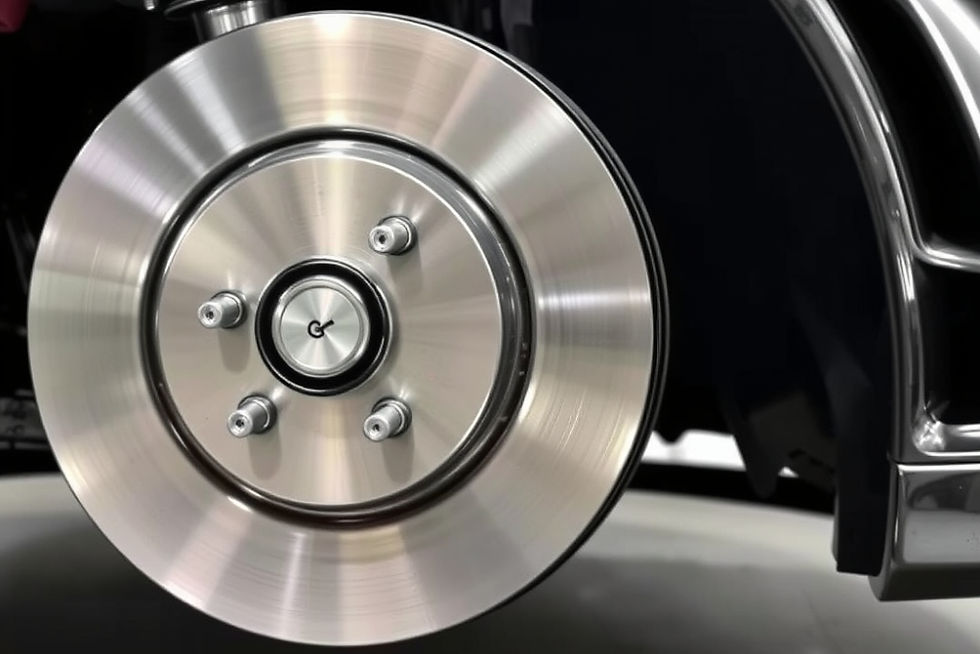
The brake discs themselves are metal rotors that spin with your wheels. Quality discs should be perfectly smooth and flat, but they can warp from excessive heat or wear unevenly over time. Brake callipers house the brake pads and contain pistons that push them against the discs when you apply the car brakes in keysborough. Meanwhile, brake fluid transmits the force from your pedal throughout the system this hydraulic fluid needs replacing every couple of years as it absorbs moisture from the air, which can lead to corrosion and reduced braking efficiency.
Warning Signs You Shouldn't Ignore
Your car will usually tell you when something's wrong with the brakes you just need to know what to listen and look for. That high-pitched squealing when you brake? That's often the wear indicators on your brake pads telling you they're getting thin. A grinding noise is more serious it usually means your pads are completely worn and metal is scraping against metal, which can damage your discs.
If your brake pedal feels spongy or sinks to the floor, you might have air in the brake lines or a fluid leak. A vibrating pedal or steering wheel when braking often indicates warped discs. And if your car pulls to one side when braking, you could have uneven pad wear or a stuck calliper. Any of these symptoms warrant immediate attention from a qualified mechanic.
When Should You Service Your Brakes?
Manufacturer Recommendations vs Real-World Driving
Your car's manual will give you specific intervals for brake inspections and servicing, typically suggesting checks every 20,000 to 30,000 kilometres. But here's the thing these recommendations assume "normal" driving conditions, which rarely exist in the real world. City driving with frequent stops wears brakes faster than highway cruising. If you're regularly stuck in stop-start traffic or live in hilly areas, your brakes work harder and wear quicker.
Most mechanics recommend having your brakes inspected at least once a year, regardless of what the manual says. A visual inspection during your regular service can catch problems early, potentially saving you from more expensive repairs down the track. Think of it as preventive medicine for your car a small investment now can prevent major headaches later.
How Australian Conditions Affect Brake Wear
Australia's diverse climate and road conditions create unique challenges for brake systems. Coastal areas mean salt air that accelerates corrosion, while dusty outback roads can contaminate brake components. Our hot summers put extra stress on brake fluid, which can boil under extreme conditions, leading to brake fade that terrifying moment when your pedal goes soft and stopping power disappears.
Mountain driving, common in areas like the Blue Mountains or Great Dividing Range, puts enormous strain on brakes. Riding the brakes down long descents generates excessive heat, potentially warping discs and glazing pads. If you regularly drive in these conditions, you'll need more frequent servicing than someone pottering around suburban Brisbane.
The Hidden Costs of Delaying Brake Maintenance
Putting off brake servicing might save you money today, but it's a false economy. Worn brake pads that aren't replaced in time will damage your discs, turning a $200 pad replacement into a $600 disc and pad job. Contaminated brake fluid can corrode expensive components like callipers and master cylinders, leading to repairs costing thousands.
There's also the safety factor to consider. Compromised brakes increase your stopping distance, raising the risk of accidents. Even if you avoid a crash, sudden brake failure could leave you stranded, facing towing costs and emergency repairs at premium rates. Regular maintenance keeps these scenarios firmly in the realm of nightmares rather than reality.
What Makes a Brake Service Provider Reliable?
Essential Qualifications and Certifications to Look For
A reputable brake service provider should have qualified technicians with proper certification. In Australia, look for mechanics with Certificate III in Light Vehicle Mechanical Technology or higher. Membership in professional bodies like the Institute of Automotive Mechanical Engineers (IAME) or Motor Trades Association demonstrates commitment to industry standards.
Check if the workshop has manufacturer-specific training, especially if you drive a European or luxury vehicle. Many quality workshops display their certifications proudly if you can't see any credentials, don't hesitate to ask. A professional operation won't mind proving their qualifications.
Red Flags That Should Send You Running
Watch out for mechanics who diagnose problems without properly inspecting your vehicle. If someone tells you need new brakes just by looking at your car from across the workshop, find another mechanic. Be wary of extreme pressure tactics a trustworthy professional will explain what's needed and why, but won't use scare tactics to force immediate decisions.
Avoid workshops that won't provide written quotes or seem evasive about pricing. If they can't explain what work they're doing in terms you understand, that's another warning sign. And steer clear of anyone offering prices that seem too good to be true quality brake components and skilled labour cost money, and rock-bottom prices often mean corners are being cut.
Why Location Matters: The Benefits of Local Specialists
Choosing a local brake specialist, particularly in areas like Keysborough, offers several advantages. Local mechanics build their reputation through word-of-mouth in the community they can't afford to do dodgy work because everyone knows everyone. They're also more likely to understand local driving conditions and common issues affecting vehicles in your area.
Local specialists often provide more personalised service, remembering your vehicle's history and your specific needs. They're easier to reach if problems arise after servicing, and building a relationship with a local mechanic means having someone you trust for all your automotive needs. Plus, you're supporting local business and keeping money in your community.
Conclusion
Choosing the right car brakes service provider doesn't have to be overwhelming. You now understand how your brake system works, what warning signs to watch for, and when servicing is needed. You know what qualifications to look for in a mechanic, which red flags to avoid, and why building a relationship with a local specialist makes sense.
You're equipped to ask the right questions, understand quotes, and make informed decisions about parts and warranties. You can perform basic checks yourself while knowing when professional help is essential. Whether you choose a dealership, chain store, or independent mechanic, you know what each option offers and how to verify you're getting quality service.
Visit Us
A 'n' E Automotive
65 Elliott Rd, Dandenong South VIC 3175, Australia


Comments