


Are Shipping Container Homes Diy Durable and Safe?
Updated: Sep 2

Have you ever driven past a sleek, modern home and discovered it was actually built from old shipping containers? Perhaps you've wondered whether these industrial steel boxes can truly provide a safe, comfortable living space for Australian families? And what about durability – can a repurposed shipping container really stand the test of time in our harsh climate?
Shipping container homes diy have exploded in popularity across Australia over the past decade. What started as an eco-friendly novelty has evolved into a genuine housing alternative that's catching the attention of first-home buyers, downsizers, and design enthusiasts alike. These innovative structures offer a unique blend of sustainability, affordability, and industrial-chic aesthetics that appeals to a growing number of Australians looking beyond traditional brick and mortar.
In this article, we'll explore everything you need to know about the durability and safety of shipping container houses. We'll examine the structural strength of these steel giants, investigate potential safety concerns, and weigh up the advantages against the disadvantages. Whether you're seriously considering container living or simply curious about this housing trend, you'll find all the information you need to make an informed decision. Let's get stuck into it.
What Are Shipping Container Houses?
Shipping container houses are residential buildings constructed using repurposed steel shipping containers as their primary structural element. These containers, typically 20 or 40 feet in length, were originally designed to transport goods across oceans. Their inherent strength and standardised dimensions make them surprisingly suitable for conversion into living spaces.
How Shipping Containers Are Transformed Into Homes?
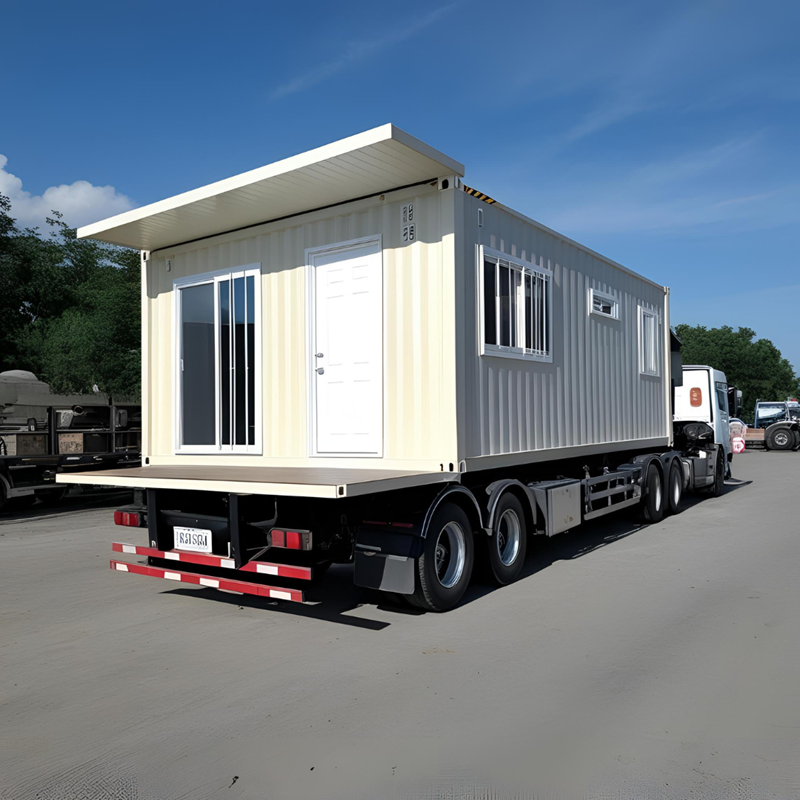
The transformation process involves cutting openings for windows and doors, adding insulation, installing electrical and plumbing systems, and fitting out the interior with all the comforts of a traditional home. Professional builders reinforce cut sections to maintain structural integrity. The exterior can be painted, clad, or left with its original industrial appearance.
Types of Container Homes: Single vs Multi-Container Designs
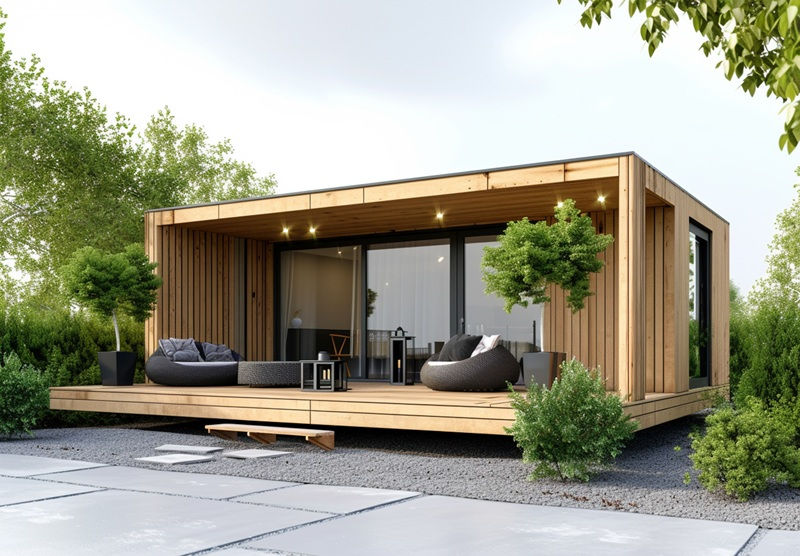
Single-container homes work brilliantly for compact living spaces, studios, or granny flats. Multi-container designs stack or connect multiple units to create larger family homes with multiple bedrooms and living areas. Some architects create stunning designs by arranging containers at different angles, incorporating traditional building materials alongside the steel structures.
Are Shipping container homes diy Durable?
This is the million-dollar question for anyone considering container living. The short answer? Absolutely – but understanding why requires a closer look at what these structures are made from.
The Structural Strength of Corten Steel
Shipping container homes diy are constructed from Corten steel, a high-strength, weather-resistant alloy designed to withstand the harshest conditions at sea. Each container must support stacking loads of up to eight fully-loaded containers above it – that's approximately 192,000 kilograms of weight. This incredible load-bearing capacity far exceeds what's required for residential construction.
The steel walls are typically 1.6mm thick, while corner posts and structural members are substantially heavier. This creates an inherently robust framework that requires minimal additional structural support when converted into a home.
How Long Do Shipping container homes diy Last?
With proper maintenance and quality construction, container homes can last 25 years or more. Some experts suggest well-maintained container structures could potentially last up to 50 years. The key factors affecting longevity include:
Quality of the original container
Proper treatment of cut edges and welds
Adequate rust prevention measures
Appropriate insulation preventing condensation
Regular maintenance and inspections
Weather Resistance: Can Container Homes Withstand Extreme Conditions?
Container homes handle extreme weather remarkably well. Their steel construction provides excellent resistance to high winds, and they're impervious to termites and other pests that plague traditional timber homes. In bushfire-prone areas, the non-combustible steel exterior offers additional peace of mind.
Comparing Durability to Traditional Brick and Timber Homes
While brick homes might last longer in ideal conditions, container homes offer superior resistance to certain threats. They won't rot like timber, termites can't touch them, and they're far more resistant to flood damage. The main durability challenge – rust – can be effectively managed with proper treatment and maintenance.

Are Shipping Container Houses Safe to Live In?
Safety concerns are completely understandable when considering living inside what was essentially an industrial storage unit. Let's address the key safety considerations.
Structural Safety and Building Code Compliance in Australia
Container homes in Australia must comply with the National Construction Code and relevant Australian Standards. This means obtaining proper building permits and working with certified builders who understand the specific requirements for container construction. When built to code, container homes are just as structurally safe as conventional buildings.
Are Shipping Containers Toxic? Understanding Chemical Treatments
Used shipping containers may have been treated with pesticides or painted with industrial coatings containing harmful chemicals. The wooden flooring often contains chemical treatments to prevent pest infestations during shipping. Reputable container home builders address these concerns by:
Removing and replacing original flooring
Sandblasting and recoating exterior surfaces
Using low-VOC paints and sealants
Ensuring proper ventilation throughout
When properly treated and fitted out, container homes pose no greater health risk than traditional constructions.
Fire Safety Considerations for Container Homes
Steel doesn't burn, which gives container homes an inherent advantage in fire resistance. However, the insulation, interior finishes, and contents remain combustible. Proper installation of smoke alarms, fire extinguishers, and compliant electrical systems remains essential. The steel structure typically provides excellent protection from external fire threats.
Can shipping container homes diy Withstand Cyclones and Storms?
For Australians living in cyclone-prone regions, this question carries particular weight. Container homes can be engineered to meet cyclone ratings when properly anchored and reinforced. Their low profile and aerodynamic shape actually work in their favour during high winds. Many container home builders in northern Australia specialise in cyclone-rated designs.
What Are the Disadvantages of Shipping container homes diy?
No housing option is perfect, and container homes come with their own set of challenges worth considering.
Insulation and Temperature Control Challenges
Steel conducts heat exceptionally well, which creates significant temperature control challenges. Without proper insulation, container homes become unbearably hot in summer and freezing in winter. High-quality insulation is absolutely essential, adding to construction costs. Condensation can also become problematic if moisture barriers aren't correctly installed.
Potential for Rust and Corrosion Over Time
Despite Corten steel's weather resistance, rust remains the primary enemy of container longevity. Cut edges, welded joints, and scratched surfaces are particularly vulnerable. Coastal locations accelerate corrosion due to salt air exposure. Regular inspections and prompt treatment of any rust spots are non-negotiable maintenance requirements.
Limited Space and Design Restrictions
Standard containers measure just 2.4 metres wide, which limits room dimensions. While multi-container designs offer more space, they also increase complexity and cost. The industrial aesthetic, while appealing to some, may not suit everyone's taste. Planning restrictions in some council areas may also limit where container homes can be built.
Are shipping container homes diy Worth the Investment?
Understanding the financial implications helps determine whether container living makes sense for your situation.
Cost Comparison: Container Homes vs Traditional Builds
Container homes can cost anywhere from $50,000 for a basic single-container design to $300,000 or more for elaborate multi-container custom builds. While often marketed as budget-friendly alternatives, the cost savings compared to traditional construction can be smaller than expected once you factor in insulation, fitout, and site preparation.
Resale Value and Long-Term Investment Potential
The resale market for container homes remains relatively small in Australia, potentially limiting buyer pools when selling. However, as acceptance grows, this is likely to improve. Location, build quality, and design sophistication significantly influence resale value.
How to Ensure Your Container Home Is Built to Last?
Making smart choices during the planning and construction phases pays dividends for decades.
Choosing Quality Containers: New vs Used
New containers cost more but arrive in pristine condition without chemical contamination concerns. Used containers require thorough inspection for rust, dents, and chemical residues. "One-trip" containers offer a middle ground – technically used but in near-new condition.
Working With Certified Container Home Builders
Choosing experienced, certified builders who specialise in container construction is absolutely critical. They understand the unique structural, insulation, and compliance requirements. Ask for references, view completed projects, and verify all necessary licences and insurance.
Making an Informed Decision About Container Living
Shipping container homes diy offer a genuinely durable and safe housing option when built correctly. Their steel construction provides exceptional strength, pest resistance, and longevity. Safety concerns around toxicity and structural integrity can be effectively addressed through professional construction and proper treatment.
That said, container homes aren't without challenges. Insulation requirements, rust management, and space limitations deserve careful consideration. The total cost may not be as low as initial expectations suggest, and resale markets remain developing.
Ultimately, whether a shipping container home suits you depends on your priorities, budget, location, and lifestyle preferences. If you value sustainability, appreciate industrial aesthetics, and don't mind embracing a less conventional approach to housing, container living could be a brilliant choice. Do your research, work with experienced professionals, and you could find yourself calling a shipping container home for many happy years to come.





Comments